
In recent years, the demand for private elementary education has seen a significant rise. This surge is attributed to various factors that draw families towards these institutions. This article explores the reasons behind the growing popularity of private elementary schools, addressing common inquiries and considerations for parents and guardians. Private schools are often perceived as providing an enhanced educational experience, which is an appealing prospect for many.
Understanding these factors can help guardians decide if this is the right path for their children.
What are the primary benefits of private elementary schools?
One of the primary benefits of private elementary schools is the small class sizes, allowing for personalized attention from teachers. Smaller classes create an environment where students can receive one-on-one guidance, which can significantly enhance learning outcomes. Parents often find additional programs and activities that complement academic instruction, offering well-rounded growth opportunities. These schools also typically have greater resources, including advanced educational technology and facilities. Consequently, the emphasis on holistic development makes private elementary schools attractive for families seeking comprehensive education.
Private schools often have more autonomy in crafting their curricula, which can be tailored to meet the specific needs of their students. This flexibility allows schools to nurture a learning environment that engages students beyond standard tests and exams. They often prioritize not just academics but also arts, sports, and other extracurricular activities that encourage creativity and self-expression. Moreover, the ability to implement innovative teaching methods makes the private education system adaptable to different learning styles. Consequently, an adaptable curriculum is a significant factor for parents when considering private education.
Additionally, the sense of community and strong parent-teacher relationships are notable benefits of private schooling. With active participation in school events and committees, parents often feel more involved in their children’s education. This collaboration between school and home can enhance students’ overall development and create a supportive learning environment. The close-knit nature of these communities often results in lifelong bonds, ensuring that students are well-supported throughout their educational journey. This communal aspect can be a deciding factor for parents focused on a nurturing educational space.
How do private elementary schools compare academically to public schools?
Private elementary schools often boast higher academic standards than their public counterparts. This emphasis on academic excellence is reflected in the performance metrics of students who graduate from these institutions. Private schools often have more rigorous admission standards and offer advanced placement courses that challenge students to think critically. With dedicated faculty and targeted resources, students are better prepared for future academic challenges. The perception of academic superiority is a primary reason families consider private education for their children.
Standardized test scores often indicate that private school students perform above the national average. This achievement can be attributed to tailored instruction and extracurricular enrichment that complements academic learning. The curriculum is not only rigorous but also designed to encourage analytical thinking and intellectual curiosity. These facets of private education are appealing to parents eager to give their children a competitive edge. As a result, private schools often become the top choice for families seeking superior academic accomplishments.
Moreover, private elementary schools typically maintain high levels of accountability with rigorous assessments. This practice ensures that students meet the expected standards set by both the school and overarching educational frameworks. The focus on continuous improvement helps detect and address any academic deficiencies immediately. Instructors also employ data-driven strategies to enhance instruction and adapt to the diverse needs of students. Such structured academic frameworks ensure consistent student success, making private schools a compelling option for education-focused families.
What role does the school’s ethos and values play?
The ethos and values of a private elementary school play a pivotal role in its popularity. These core principles often align with families’ personal beliefs, making them integral in the decision-making process. Many private schools position their curricula around a specific set of values or mission statements, such as religious faith or progressive learning approaches. This intentional alignment attracts parents who prioritize an education system that aligns with their family’s values. The cultural and moral instruction provided can complement academic education and shape students’ character.
In many instances, private schools offer a values-centric education that emphasizes character building and social responsibility. Such an approach promotes kindness, empathy, and respect as core tenets of student life. Introducing these values early in children’s learning journey can significantly contribute to their identity formation and worldview. Schools with distinct values encourage students to engage in activities and learnings that reflect these core principles. This commitment to a value-oriented education is a critical attraction for many families.
Furthermore, schools known for their robust ethical and moral framework often have guidelines that foster a safe and healthy learning environment. These guidelines establish expectations for student behavior and create a space where students can thrive without fear of bullying or discrimination. As emphasized by many parents, having a nurturing and protected environment significantly enhances their children’s educational experience. Therefore, choosing a school that aligns with one’s values is vital for holistic development and peace of mind regarding children’s well-being.
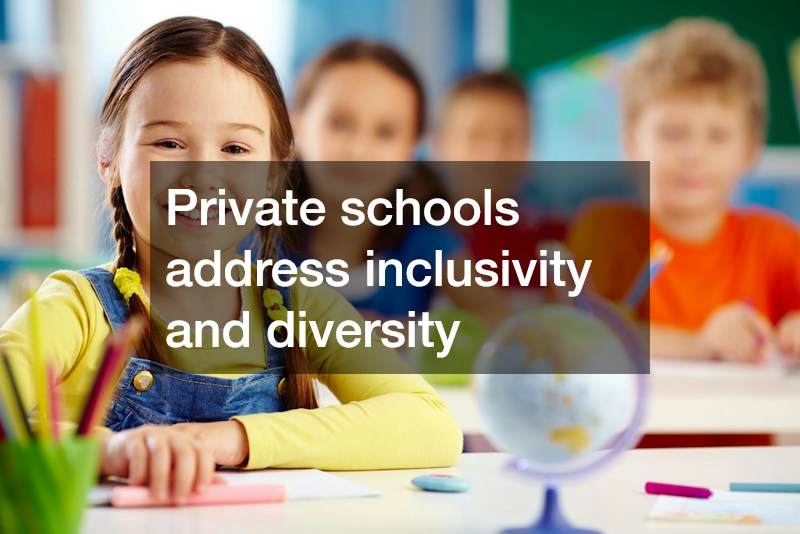
How do private schools address inclusivity and diversity?
Inclusivity and diversity are crucial issues in the educational sector, and private schools take varied approaches to address them. Many institutions proactively implement policies to ensure diverse representation among students and staff. Cultural competence training and curricular integration of diverse perspectives are standard in fostering an inclusive school atmosphere. At their best, these efforts can create a vibrant learning community where all students feel valued and respected. Such initiatives resonate with parents who prioritize inclusivity as part of their children’s education.
While some private schools are criticized for lack of diversity, many are actively working towards greater inclusivity. They recognize the educational benefit of having diverse voices and perspectives within the classroom. These schools strive to build environments where socio-economic, racial, and cultural differences are celebrated rather than overlooked. Scholarships and financial aid programs are often used to broaden access and encourage participation from underrepresented groups. Through these measures, private schools are becoming increasingly appealing for families focused on diversified education pathways.
Moreover, promoting diversity in private schools goes beyond traditional classroom settings. Through events and activities, students engage with various cultures and ideologies, which enrich their educational experiences. Encouraging students to understand and appreciate different perspectives prepares them for the globalized world. Private schools dedicated to fostering diversity produce students who are empathetic and culturally aware. This dedication can be a decisive factor for families when choosing a private institution for their child’s primary education.
What are the considerations regarding cost and financial investment?
The cost of private elementary schools is a significant consideration for many families. Tuition fees, while often perceived as an obstacle, are seen as an investment in a child’s future by those who choose this path. Many parents appreciate the quality of education, resources, and opportunities that justify the financial outlay. However, it’s essential to evaluate the return on investment given the substantial expenses involved. Understanding the financial commitment required is crucial for families considering private schooling.
Various financial aid options are available to help mitigate the cost of private education. Schools offer scholarships based on academic achievement, need, and other criteria, making private schooling accessible to more families. Endowments and grants also play a role in offsetting the potential financial burden. As a result, the availability and accessibility of financial aid are critical factors for many parents. By thoroughly researching these options, families can make informed decisions about private education.
Ultimately, choosing a private elementary school involves balancing cost versus perceived educational benefits. Families often conduct extensive research to understand potential long-term outcomes, considering factors such as future educational prospects and personal development. It’s crucial that families assess their financial readiness and explore all available options to ensure sustainability throughout their children’s education. Staying informed about costs and planning accordingly are essential steps for those committed to private schooling. With adequate preparation, families can ensure their investment leads to fruitful educational experiences for their children.
As families explore educational options, private elementary schools offer distinct advantages that resonate with many parents. Whether through smaller class sizes, emphasis on values, or academic excellence, these institutions continue to be a popular choice for a well-rounded foundational education. They provide a tailored learning environment that can adapt to individual needs while upholding high standards. However, it’s vital for families to weigh these factors against the financial implications and ensure alignment with personal values. Ultimately, choosing the right educational path involves thoughtful consideration of these core elements to support children’s comprehensive development.