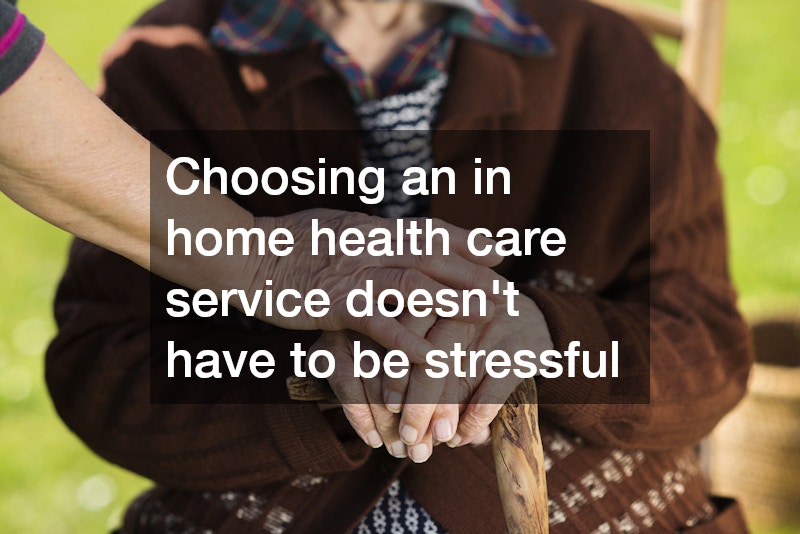

Finding the right care for a loved one can feel overwhelming, especially when your family member needs support at home. Choosing an in home health care service is an important decision that impacts your loved one’s comfort, safety, and quality of life. With so many options available, it’s easy to feel stressed and uncertain.
Understanding the process and knowing what to look for can make the selection much easier and more manageable. Fortunately, by following a clear approach, you can select the best service without unnecessary worry. This guide will walk you through practical steps for making the right choice for your family.
Understand Your Loved One’s Needs
Before you begin searching for an in home health care service, it’s essential to understand the specific needs of your loved one. Are they recovering from surgery, managing a chronic illness, or requiring assistance with daily activities such as bathing, cooking, or medication management? Clarifying the level of care needed will help you narrow your options and prevent you from feeling overwhelmed by services that don’t match your situation.
Start by making a detailed list of the tasks and support your loved one requires. Consider both medical and non-medical care. Medical care might include monitoring vital signs, administering medications, or providing physical therapy. Non-medical care could involve companionship, meal preparation, or help with personal hygiene. By understanding these needs upfront, you can focus on providers who specialize in the services that matter most.
It’s also important to involve your loved one in this process. Their comfort and preferences should guide your decision. Ask them about their daily routines, social needs, and any specific concerns they have. Involving them not only ensures better care but also reduces stress by making them feel part of the decision-making process.
Research and Compare Providers
Once you have a clear understanding of your loved one’s needs, it’s time to research potential in home health care service providers. Start by looking for agencies with a strong reputation in your area. Online reviews, testimonials, and recommendations from doctors or other families can provide valuable insights into the quality of care.
When comparing providers, pay attention to key factors such as licensing, certifications, and staff training. A reputable in home health care service should employ trained professionals who are certified in their areas of expertise. Ask about background checks, ongoing education, and experience with specific conditions like dementia or post-surgery recovery.
Another critical aspect is the range of services offered. Some agencies provide comprehensive care, including both medical and non-medical support, while others focus solely on specific areas. Make sure the provider you choose can meet all the needs outlined in your initial assessment. Don’t hesitate to ask for references or case studies to get a sense of how the agency has helped other families in similar situations.
Finally, consider the logistics of scheduling and availability. An ideal in home health care service will be flexible and able to accommodate changing needs, whether it’s regular daily care or temporary support during emergencies. Clear communication and responsiveness are key indicators of a reliable provider.
Evaluate Costs and Insurance Coverage
Cost is often a major concern when selecting an in home health care service, but it shouldn’t be the only factor. Understanding the pricing structure and what is included in the service can prevent unexpected bills and reduce stress. Some agencies charge by the hour, while others offer flat rates for specific packages. Make sure to clarify whether services like transportation, medical equipment, or 24/7 support are included.
Insurance coverage is another crucial consideration. Check whether your loved one’s insurance plan covers home health care and what portion of costs will be reimbursed. Some long-term care insurance policies or government programs like Medicare and Medicaid may partially cover services, depending on eligibility. Working with a provider that assists with insurance paperwork can simplify the process and make budgeting much easier.
It’s also wise to discuss trial periods or flexible contracts. Many agencies offer short-term arrangements that allow families to assess the quality of care before committing long-term. This approach can reduce anxiety and provide peace of mind, knowing that adjustments can be made if the service doesn’t fully meet expectations.
Choosing an in home health care service doesn’t have to be stressful. By understanding your loved one’s specific needs, thoroughly researching and comparing providers, and evaluating costs and insurance coverage, you can make a well-informed decision that ensures comfort, safety, and high-quality care. Remember that involving your loved one in the process, asking questions, and requesting references are key steps in selecting a provider you can trust.
The right in home health care service not only supports your loved one’s physical and emotional well-being but also provides your family with peace of mind. With careful planning and a systematic approach, you can navigate the options confidently and secure the care your loved one deserves, all without unnecessary stress.